In the pharmaceutical industry,
Water for Injection (WFI)
serves as a critical starting material and process auxiliary.
Its quality directly impacts the safety and efficacy of final drug products
(particularly sterile preparations such as injectables, biologics, and ophthalmic solutions).
The Chinese Pharmacopoeia (ChP) imposes stringent regulations on the production, storage, distribution, and use of WFI. While both packaged and bulk WFI share common regulatory requirements, they differ in application scenarios and compliance focus.
Definition (ChP General Chapter 0261):
WFI is purified water obtained by distillation (via classical methods like multi-effect or vapor compression distillation) or membrane separation (e.g., reverse osmosis combined with EDI, subject to validation).
Key Quality Attributes:
Chemical Purity: Must meet all purified water tests (appearance, pH, nitrates, nitrites, ammonia, conductivity, TOC, oxidizable substances, non-volatile residues, heavy metals, microbial limits). Conductivity and TOC are critical for real-time monitoring.
Microbial Limits: <10 CFU/100 mL (stringent requirement).
Endotoxin: <0.25 EU/mL (key differentiator from purified water; critical for injectable safety).
Sterility: WFI is not sterile post-production but must meet sterile process requirements (e.g., sterile filtration or terminal sterilization) at the point of use in sterile manufacturing.
Definition:
WFI produced on-site via validated systems (preparation, storage, and distribution) and delivered to points of use through pipelines (non-final packaging).
Primary Applications:
Preparation of Injectables/Sterile Formulations:Serves as the primary solvent or diluent for sterile products such as injections and ophthalmic solutions.
Final Rinse of Sterile Manufacturing Equipment: Equipment with direct product contact (e.g., mixing tanks, filling lines, tubing, stopper/washer machines, lyophilizer chambers, isolator interiors) must undergo a final WFI rinse after cleaning to remove detergent residues and ensure minimal endotoxin and microbial levels.
Final Wash of Primary Packaging Materials: Direct-contact materials (e.g., vials, ampoules, stoppers, caps) must be washed to meet WFI quality standards, with strict control of microbial and endotoxin limits.
Preparation of Cleaning Solutions: Used for cleaning critical equipment (especially product-contact surfaces), where the solution itself must meet low microbial and endotoxin requirements.
Steam Source for Sterilizers (where applicable): Certain sterilizers (e.g., pure steam sterilizers) require WFI-grade steam, with condensate complying with WFI standards.
Base for Biologics/Cell Culture Media or Buffer Preparation: Demands ultra-high water quality due to stringent process requirements.

Figure 1: Bulk Water for Injection (WFI) System
Regulatory Compliance (ChP & GMP):
System Validation and Qualification:
The preparation, storage, and distribution systems must undergo complete DQ/IQ/OQ/PQ validation to demonstrate their ability to consistently produce WFI meeting ChP standards.
Critical Parameter Monitoring: Online monitoring of conductivity, TOC, temperature, flow rate, and pressure.
Online Monitoring and Control: The distribution system's supply, return, and points of use must be equipped with online conductivity and TOC monitors (per ChP requirements). Temperature monitoring is equally critical. Data must be recorded in real-time with alarm functionality.
Periodic Monitoring and Trend Analysis: Offline testing (e.g., microbial limits, bacterial endotoxins, full chemical analysis) must be performed according to an approved sampling plan (including frequency and sampling points). Trend analysis must be conducted to evaluate system control status.
Preventive Maintenance: A rigorous maintenance program must be implemented, including: Filter replacement, Membrane cleaning/replacement, Instrument calibration, Passivation.
Change Control and Deviation Management: Any system modifications must undergo impact assessment on water quality and require necessary validation. Water quality excursions must be thoroughly investigated with CAPA implemented.
Documentation: Complete, accurate, and traceable records must be maintained for all: Operations; Monitoring activities; Maintenance; Validation; Calibration; Cleaning/sanitization; Test results; Investigations
Process Reliability: Distillation efficiency; Membrane integrity
Storage Conditions (>70°C circulating or <4°C static storage to prevent microbial proliferation), using 316L stainless steel or other inert materials with spray ball coverage.)
Distribution System Design (elimination of dead legs, proper slope, and maintenance of adequate flow velocity to ensure turbulent flow).
Validation of sanitization/sterilization procedures (including pure steam sterilization, hot water sanitization, chemical disinfection with subsequent removal verification).
Definition:
Packaged WFI refers to pharmacopoeia-compliant Water for Injection that is filled and sealed in final containers (e.g., plastic bags, plastic drums, glass bottles) under GMP conditions for distribution and use. This packaged form facilitates transportation and application.
Primary Applications:
Upstream/downstream solution preparation in DS or non-terminally sterilized DP formulation (small-scale/special scenarios): May serve as starting solvent in specific cases (e.g., R&D, small-batch production, cell therapy products), with particular attention to post-opening microbial control and validated in-use period.
Rinsing/dilution in sterile processing: Used within biosafety cabinets (BSCs), RABS, or isolators for rinsing sterile instruments (e.g., forceps, scissors), dissolving sterile powders, or diluting sterile solutions.
Laboratory analysis: Serves as reagent water for high-sensitivity tests (e.g., HPLC, MS, cell culture, endotoxin testing), requiring ultra-low TOC and endotoxin levels.
Cleaning agent: For cleaning equipment surfaces/components in sterile areas (combined with disinfectants), or as final rinse water in certain cleaning procedures.
Final rinse of pharmaceutical equipment (non-product-contact surfaces).
Starting material for pure steam generation (non-routine): Potential use in specific small-scale equipment.
Key Regulatory Compliance Points (ChP & GMP):
Source Water Quality: WFI for packaging must meet all ChP WFI monograph requirements.
Packaging Process:
Must be performed in Class C or higher cleanroom (Grade B with Class A background may be required depending on terminal sterilization status and process requirements).
Containers/closures must undergo validated cleaning and sterilization/depyrogenation processes (e.g., washing, siliconization, sterilization, depyrogenation) to ensure absence of contaminants, microorganisms, and endotoxins, with compatibility to WFI.
Filling equipment must be cleaned and sanitized/sterilized.
Sterile process simulation (media fill) validation required for sterile filling.
Container Specifications: Materials must be inert, non-leaching, non-adsorbent, and provide adequate protection (e.g., light-resistant). Typically LDPE bags/drums or glass bottles.
Sterilization (where applicable): Terminal sterilization is generally not required for packaged WFI (as source WFI is non-sterile and sterilization may compromise container integrity/water quality). Microbial control relies on: Source water quality; Sterile filling process; Container integrity. Note: Packaged WFI is NOT a sterile product! This must be clearly stated on labels.
Labeling Requirements: Must prominently display:
Product name: "Packaged Water for Injection" (as specifically defined in ChP 2020 Supplement, distinguishing it from bulk WFI and drug product "Water for Injection")
Batch number
Manufacturing date and expiration date (based on container integrity and storage condition validation)
Volume specification
Storage conditions
Manufacturer name and address
Statement: "Non-sterile" or "Requires sterilization before use" (unless sterileally filled and labeled as sterile - exceptionally rare and requiring stringent validation)
Statement: "For pharmaceutical use only" or equivalent
Each batch must undergo testing including but not limited to: Appearance; pH; Ammonia; Nitrates; Nitrites; Conductivity; TOC; Non-volatile residues; Heavy metals; Bacterial endotoxins; Microbial limits. All results must comply with ChP WFI requirements.
Microbial Limit Testing Method: The membrane filtration method shall be employed (as specified in ChP General Chapter 1105, with a minimum filtration volume of 200mL per membrane) to meet the requirement of <10 CFU/100mL.
Stability/Storage: Stability studies required to verify compliance with ChP standards (particularly microbial and endotoxin limits) under labeled storage conditions (typically cool, protected from light) and validated post-opening in-use period (where applicable).
Supplier Management: For externally sourced materials, the supplier must undergo rigorous audit and qualification, and a quality agreement must be established.
Figure 2: Packaged Water for Injection
Feature | Bulk Water for Injection (Bulk WFI) | Packaged Water for Injection (Packaged WFI) |
Form | Unpackaged water delivered through pipeline systems | Water packaged in final containers (bags, drums, bottles) in a sealed state |
Main Applications | Core production use: preparation of injection solutions, equipment/packaging material final rinse, cleaning solution preparation, pure steam generation | Auxiliary/special use: sterile operation rinse/elution, laboratory analysis, specific cleaning, small-scale preparation |
Production Location | Produced on-site at pharmaceutical companies | Can be packaged on-site at pharmaceutical companies or by specialized suppliers |
Regulatory Focus | System continuous verification and monitoring: preparation/storage/distribution system verification (DQ/IQ/OQ/PQ), online monitoring (electrical conductivity/TOC/temperature), regular off-line testing, strict maintenance, disinfection process verification | Batch release and packaging control: each batch must be fully tested, sterile filling process verification (including media fill), packaging container cleaning/disinfection/depyrogenation verification, label compliance (must be labeled as "Packaged Water for Injection"), storage stability verification |
Quality Control | Relies on system verification and continuous monitoring (online + offline) | Each batch must undergo release testing (full item, including microbial limits and endotoxins) |
Microbial Status | Non-sterile, point source control (such as depyrogenation filtration) | Non-sterile & non-pyrogenic (except for filtration), label must clearly indicate |
Core Requirements of ChP | Complies with "Water for Injection" standard, continuous production through a dedicated system | Complies with "Water for Injection" standard for production and control, meets packaging, labeling, storage, and testing requirements |
Source Compliance: Both bulk and packaged WFI must strictly meet all chemical, microbial, and bacterial endotoxin requirements under the "Water for Injection" monograph of the Chinese Pharmacopoeia (ChP).
Contamination and Proliferation Prevention: Effective measures must be designed and implemented throughout the lifecycle (production, storage, distribution, packaging, and use) to minimize microbial contamination and endotoxin proliferation. For Bulk WFI: Focus on system design (dead-leg prevention, slope, materials, circulation), temperature control (hot circulation or cold storage), and sanitization procedures. For Packaged WFI: Emphasizes packaging environment, container sterilization/depyrogenation, seal integrity, and storage conditions.
Validation as the Foundation:
Bulk WFI: System validation (full lifecycle) is central.
Packaged WFI: Process validation (especially media fill validation for sterile filling) and container closure integrity/sterilization/depyrogenation validation are critical. Batch release testing serves as key control.
Continuous Monitoring and Trend Analysis: Bulk WFI relies on robust online monitoring coupled with periodic offline testing and trend analysis. For packaged WFI, while batch release testing serves as the primary control, production environment monitoring, process controls, and stability data trend analysis remain equally critical.
Clear Labeling: Packaged WFI labels must prominently state "Packaged Water for Injection" to distinguish it from bulk WFI and the drug product "Water for Injection," along with its non-sterile status (unless aseptically filled under validated conditions).
Documentation and Traceability: All activities must have complete, accurate, and traceable records, complying with GMP data integrity requirements.
Packaged Water for Injection and bulk Water for Injection represent different forms of WFI for distinct application scenarios. Bulk WFI serves as the lifeline for pharmaceutical production (particularly sterile products), with its regulatory compliance heavily dependent on rigorously validated, continuously monitored and well-maintained preparation and distribution systems. Packaged WFI primarily functions as an auxiliary material in aseptic processing or as an alternative for specific situations, where regulatory compliance focuses on: Control of packaging processes (environment, aseptic techniques, container treatment); Comprehensive batch release testing of final products; Proper labeling (particularly the designation "Packaged Water for Injection" and clear indication of "non-sterile" status).
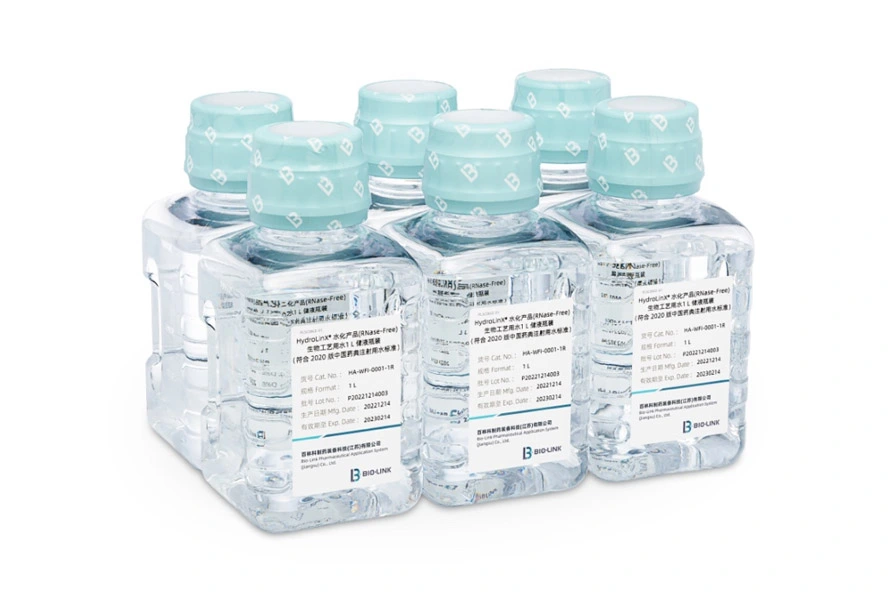
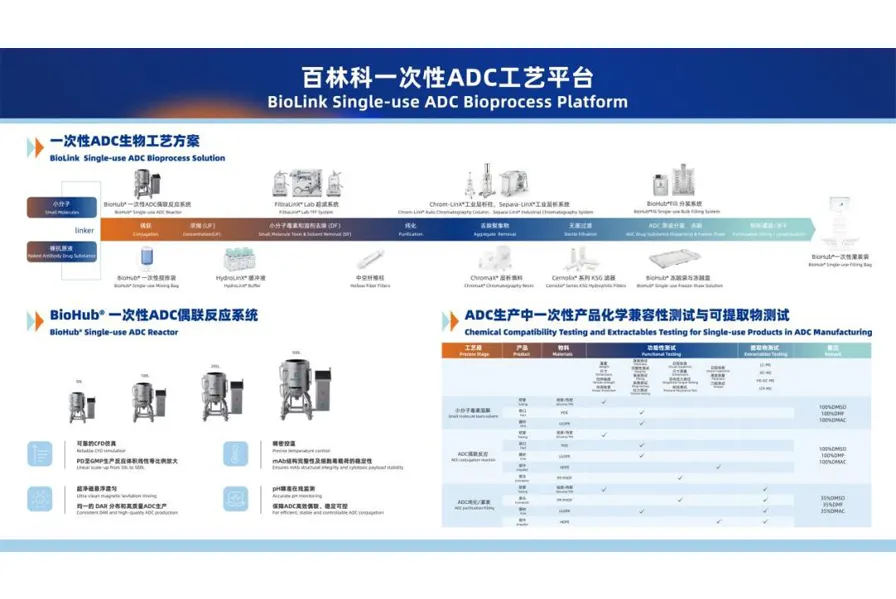
BioLink’s HydroLinX® series offers ready-to-use, pharmacopeia-compliant packaged Water for Injection (WFI) as a supplement or alternative to bulk WFI systems for pharmaceutical companies, especially suitable for specific scenarios. The value lies in:
Ready-to-use: Eliminates the investment and validation required for users to build complex WFI systems.
Water quality compliance (based on ChP): BioLink conducts complete testing for each production batch under the WFI item of ChP, including: appearance, pH, ammonia, nitrates, nitrites, conductivity, TOC, non-volatile residues, heavy metals, microbial limits (<10 CFU/100ml), and bacterial endotoxins (<0.25 EU/ml).
Validation of production environment, sterile filling process, and packaging container material.
Labeling and identification (mandatory for ChP & GMP): Name, catalog number, batch number, production date, expiration date, specifications, storage conditions, manufacturer information, key warning information, and intended use instructions.
Compliance foundation: The supplier takes on the main compliance responsibilities for water quality control, validation of sterile filling process, and packaging material handling, and provides relevant documentation.
Flexibility: Various specifications to meet different needs.
Stability and shelf-life validation, open to customer audits.
At the same time, BioLink also reminds users to pay attention to the following:
1.“Packaged Water for Injection” ≠ “Sterile Water for Injection”: Its non-sterile state is a core regulatory requirement. The label must clearly state this, and appropriate control measures (such as sterilizing filtration) must be taken when using it. BioLink’s packaged Water for Injection has a clear label indicating it is non-sterile.
2. Supplier management is a lifeline: Users must conduct rigorous supplier audits, sign quality agreements, review each batch’s COA, and implement risk-based incoming controls.
3. Non-transfer of own responsibility: Users must still ensure that the material is suitable for use in their own processes (compatibility, validation of usage methods such as time limits after opening), and bear the ultimate responsibility for product quality.
4. BioLink’s Water for Injection is only for research or industrial use and is not for therapeutic purposes.
BioLink’s HydroLinX® series of packaged Water for Injection is a compliant and convenient solution for the pharmaceutical industry to meet the quality requirements of ChP and other pharmacopeia standards for Water for Injection in specific scenarios (the core is to assist sterile operations in clean areas).

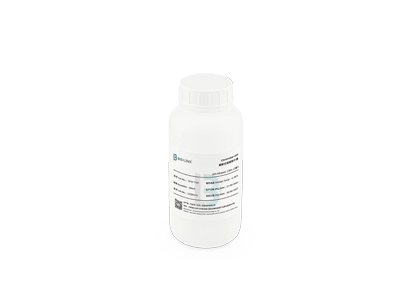
Figure 3: BioLink's Bagged and Bottled Water for Injection
Link With Us Now!