Search
×
E-mail

Analysis of Key Points in High-density Culture of Recombinant Escherichia coli

Table of Content [Hide]


    Recombinant Escherichia coli refers to the engineering strain that introduces foreign target genes (which can be genes from humans, other animals, plants or microorganisms) into E. coli cells through genetic engineering technology, so that they can express and produce the proteins or other products we need. In the process of industrial production, the high-density fermentation of engineered bacteria directly affects the expression and production cost of target products. This article focuses on several key factors affecting high-density fermentation of E. coli, and briefly expounds it.


    Culture Media Optimization

    01 Selection and Control of Carbon Sources

    When glucose is used as carbon source, the growth rate of E. coli is fast and the determination method of sugar concentration is simple. Thus, glucose is the most commonly used carbon source for E. coli fermentation. It is worth noting that when glucose is used as carbon source for high-density fermentation, its concentration needs to be strictly controlled. If the concentration of residual sugar in culture medium is too high, a large amount of acetic acid will be produced by sugar metabolism, which will affect the growth of bacteria and the production of products. In contrast, glycerol metabolizes more slowly than glucose, produces less acid, can start fermentation more gently, and is an effective strategy to reduce acetic acid accumulation.


    02 Nitrogen Source and Carbon-nitrogen Ratio

    The nitrogen source includes a complex nitrogen source and an inorganic nitrogen source. Complex nitrogen sources (yeast extract (YE), peptone) are rich in amino acids, vitamins, trace elements and growth factors, which can significantly promote the rapid growth of bacteria and increase the final density. However, the cost is high and the components are not completely clear, which may increase the difficulty of downstream purification. The inorganic nitrogen source (ammonium sulfate) has clear composition, low cost and easy downstream treatment. However, due to the lack of growth factors, the growth rate and final density of bacteria may be limited. Therefore, mixed nitrogen sources are often used in the fermentation process, which can not only provide growth factors, but also reduce costs and provide sufficient nitrogen sources, taking into account the dual advantages.


    03 Inorganic Salts and Trace Elements

    In fermentation culture medium, inorganic salts are the skeleton of building cells and maintaining basic physiological functions, while trace elements are the keys to fine regulation of metabolism, especially the synthesis of target products. Their demands vary greatly, but they all follow the principle of "moderation is beneficial, excess is toxic". In the actual development and optimization of fermentation process, effectively controlling the types and concentrations of inorganic salts and trace elements is one of the key steps to improve bacterial density and product yield.


    Culture Method

    During the culture process, in order to make E. coli reach a higher density, it is often necessary to supplement the reactor with concentrated fresh culture medium during the culture process to supplement the nutrients necessary for the growth of bacteria.


    01 Non-feedback Feeding

    Constant-speed Feeding

    Constant-speed feeding is a simple, practical but non-optimal high-density culture strategy. Its core is to limit the growth rate of microorganisms through a fixed nutrient input rate, thereby solving three major problems in high-density culture: substrate inhibition, by-product formation and insufficient oxygen supply. It is mainly applied to the conventional fermentation production process of recombinant protein which does not require extreme optimization of production technology. Although it is not the optimal solution, its simple and reliable characteristics make it still widely used in laboratory and industrial production.


    Exponential Fed-Batch Feeding

    Exponential fed-batch feeding is a predictive advanced fermentation strategy based on a robust theoretical model. It achieves precise control of cell metabolism by synchronizing the feed flow-rate with the exponential growth trend of microorganisms and is one of the standard methods for high-density culture of recombinant E. coli to produce high-value proteins. Although it requires higher equipment and technology, its huge advantages in improving yield, quality and process repeatability make it a core technology in the field of modern biomanufacturing. It is mainly used in high-demand production, scientific research, process optimization and other aspects.


    02 Feedback Feeding

    The feedback feeding system is a typical closed-loop control system, which contains three basic parts:

    • Real-time monitoring of a key parameter in fermentation broth (such as dissolved oxygen DO, pH, off-gas, etc.).

    • Receive the signal from the sensor and compare it to a preset setpoint. Calculate the action to be taken through a specific control algorithm (such as PID control), according to the deviation of comparison.

    • Receive instructions from the controller and execute them (usually to adjust the speed of the feed pump). This cycle proceeds without interruption, thus enabling automatic optimization and stabilization of the process.


    DO-Stat/pH-Stat

    DO-Stat/pH-Stat is commonly used at laboratory scale, substrate-inducible expression, or for some special fermentation processes.


    RQ-based Control

    RQ-based control is one of the most advanced and reliable control strategies in the current industrial production of yeast, high-density culture of E. coli and animal cell culture, which can achieve real optimization and scale-up.


    03 Summary

    All in all, exponential feeding defines the "theoretical" optimal path, while feedback feeding is like the cruise system and navigation system of a car, which constantly monitors the actual road conditions (sensor signals) and automatically adjusts the throttle (feeding pump) to ensure that the vehicle is always driving on the optimal path, and can calmly deal with unexpected situations such as uphill and headwind. In actual production, the two are often combined, that is, exponential feeding is used as the main strategy, and feedback signals (such as RQ) are used to fine-tune them.


    Induction Modes and Inducers

    In many recombinant protein expression systems, the target gene is placed downstream of an inducible promoter. Prior to induction, the gene was barely expressed ("leaky expression" was extremely low); After the addition of specific inducers, the promoter is activated and the gene begins to be transcribed and translated in large quantities. Choosing the appropriate induction mode and inducer directly determines the success or failure of recombinant protein expression, yield and solubility. Induction is not just as simple as "adding things", but requires fine optimization:


    01 Induction Timing (Induction Point)

    The bacteria have grown to a sufficient density, but they have not yet entered a stable period and their nutrients have not been exhausted. It is usually measured by OD600, generally in the middle or late stage of logarithmic growth (e.g. OD600 = 0.6-1.0). Premature induction results in insufficient bacterial quantity and low total yield. Late induction decreases bacterial activity, accumulates metabolic by - products, and lowers expression efficiency.


    02 Inducer Concentration

    Optimization is required for each protein. The common concentration range of IPTG is 0.1-1.0 mM. High concentrations are not always better, and sometimes slow induction at low concentrations contributes to soluble expression; Arabinose: The commonly used concentration range is 0.0002%-0.2% (w/v), and the expression level can be finely tuned.


    03 Post-induction Conditions

    Temperature is the most critical factor affecting protein solubility. High temperature (37 °C) expression is fast, the yield may be high, but inclusion bodies (insoluble aggregates) are easily formed; The expression rate at low temperature (16-25 °C) is slow, but it can promote the correct folding of proteins and greatly increase the solubility ratio. Cooling is usually immediately followed by induction.


    04 Induction Time

    Usually 4-24 h. The time is too short and the output is insufficient; If the time takes too long, the bacteria may cleave and the protease degrades the protein.


    05 Summary

    Induction is the "final step" of recombinant protein expression. IPTG-induced T7/T5 system is still the most mainstream scheme in Escherichia coli because of its high strength and mature technology, especially with low temperature induction strategy to obtain soluble proteins. For special needs (e.g. toxic proteins, no chemical residues), arabinose systems or lactose should be considered. The final optimal conditions must be determined by experimental optimization (induced OD, inducer concentration, temperature, time).


    Conclusion

    The final success index of high-density fermentation of E. coli is not only high bacterial density (such as DCW > 50 g/L), but also high target protein yield and quality (such as accounting for more than 20%-30% of the total bacterial protein, and having high activity). This needs to be achieved through repeated experiments and fine optimization of induction timing, temperature, inducer concentration and feeding strategy.


    Case Sharing

    Use BioLink CytoLinX® GB 7L Benchtop Glass Bioreactor for Fermentation and Expression of a Recombinant Protein:

    Complete the development of high-density fermentation process of Escherichia coli at the customer's request. Through the optimization of culture medium, culture conditions and induction conditions, the problems of bacterial dissolution and difficulty in purification of more impurities in the fermentation process were successfully solved.


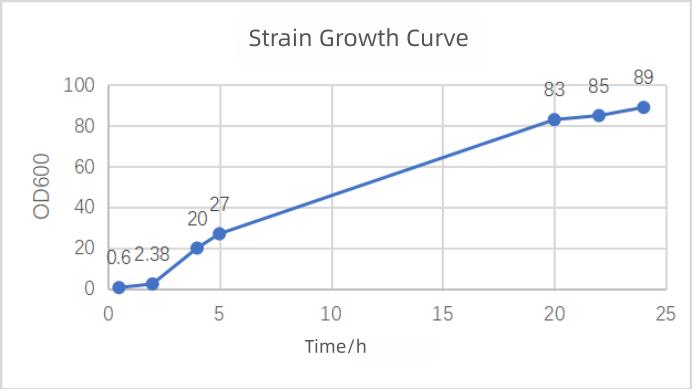
    figure-1-strain-growth-curve.jpg

    Figure 1: Strain growth curve


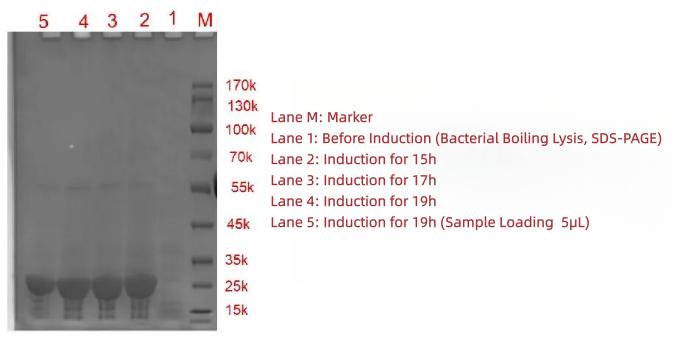
    figure-2-induction-electrophoreogram.jpg

    Figure 2: Induction electrophoreogram


    The results showed that glycerol was used as carbon source, 0.5 mM IPTG was used as inducer, and the culture mode was combined with feedback feeding under the condition of cooling induction in the middle logarithmic period. At the end of fermentation, the OD600 reached 89, and the product expression level was about 3 g/L.


    CytoLinX® GB Benchtop Glass Bioreactor


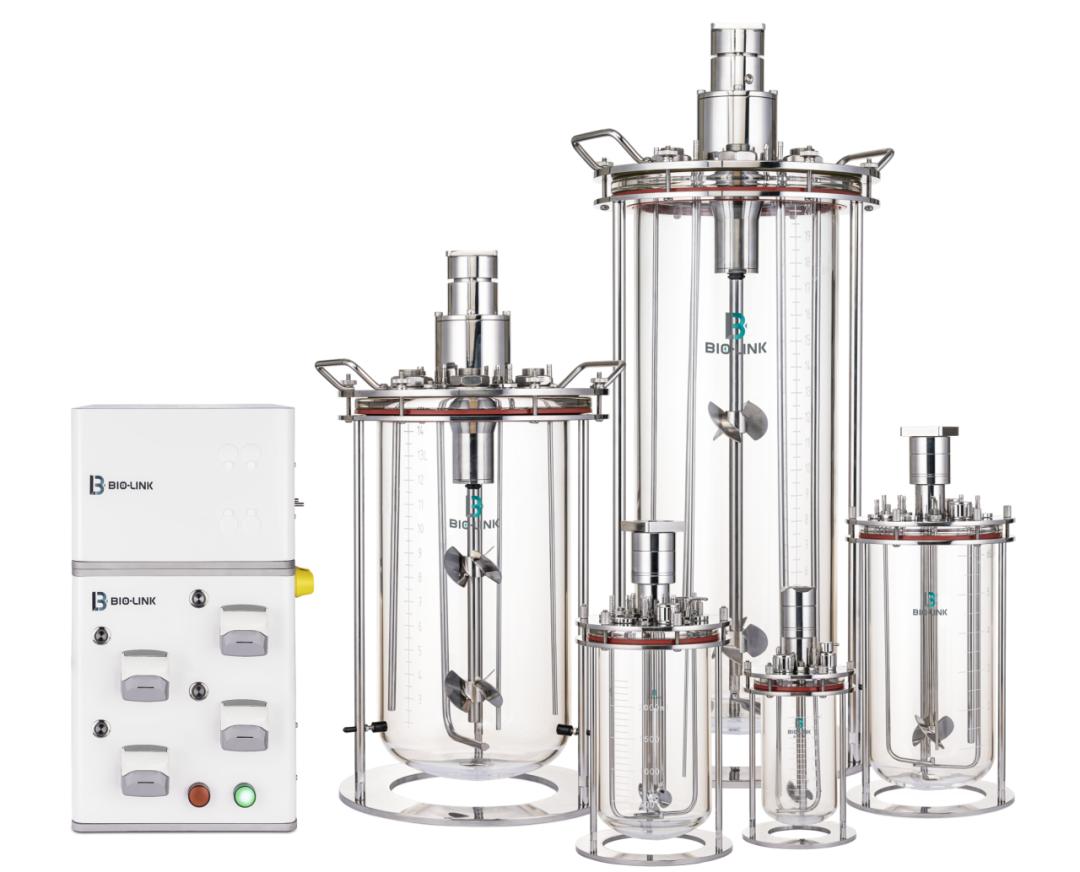
    figure-3-cytolinx-gb-benchtop-glass-bioreactors.jpg

    Figure 3: CytoLinX® GB Benchtop Glass Bioreactors


    The CytoLinX® GB Benchtop Glass Bioreactors are available in 1 L, 3 L, 7 L, 15 L, and 20 L with a new design and high flexibility, allowing the use of existing brands of electrodes, tubes, gas distributors and impeller. It is composed of a combination of a glass vessel and a control cabinet. It is widely used in the development of upstream processes of biological products. It is suitable for high-throughput parameter conditions exploration and culture process optimization. It is suitable for various cell culture and microbial fermentation, including suspended cells, adherent cells, plant cells, insect cells, E. coli and yeast fermentation. In addition, this series of reactors has functions such as  programmable automatic dosing, precise temperature and pH control, which successfully assist ADC drug conjugation and optimization of various types of enzyme catalytic processes. Automatic program design significantly avoids the errors caused by manual operations to ensure the consistency between synthesis batches.


    Introduction to BioLink Suzhou Application Center

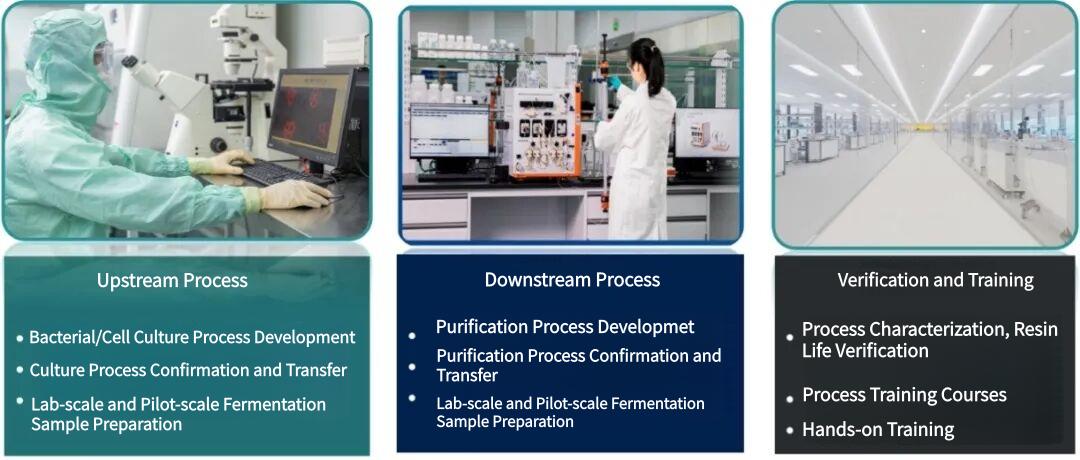
    Covering an area of 3000sqm, it is equipped with R&D office areas, cell culture laboratories, microbiology laboratories, purification laboratories, pilot workshops, and analysis laboratories. Suzhou Application Center is committed to providing customers with upstream and downstream process development, lab and pilot scale sample preparation, validation and training services.


    introduction-to-biolink-suzhou-application-center.jpg


    References

    Link With Us Now!

    Want to know more about BioLink bioprocessing products? Feel free to contact BioLink now!
    ADDRESS
    We use cookies to offer you a better browsing experience, analyze site traffic and personalize content. By using this site, you agree to our use of cookies. Visit our cookie policy to learn more.
    Reject Accept